

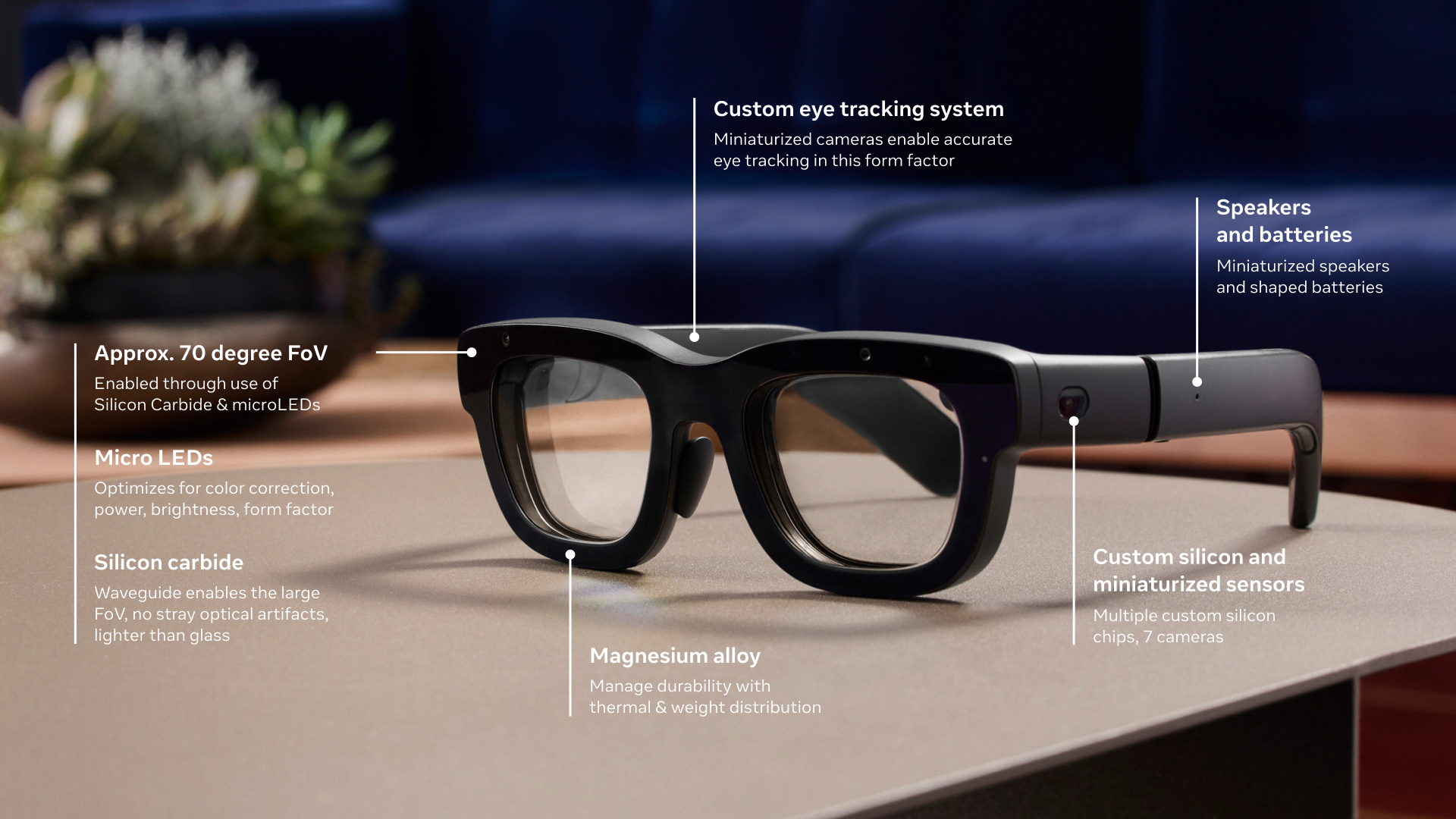
Meta’s Orion AR glasses signal the beginning of the AR glasses era. Software has been ahead of hardware in augmented reality (AR). Hardware is what has been holding back adoption of AR.
Why hasn’t AR taken off yet? Let’s go through hardware options for AR one by one to understand what has been holding back AR up until now. Then we can contemplate why AR glasses can replace smartphones as people’s primary personal computing device.
Smartphones
The most popular use case for AR for the past six years is face filters on social apps. All the major players in the social space (Meta, Snap, TikTok) have tried to push worldspace AR. The usage rates for back facing worldspace AR experiences pales in comparison to the front facing camera AR filters.
Smartphone aren’t designed for outdoor AR usage. Any extended outdoor AR usage leads to overheating and auto-brightness dimming. AR on smartphones is still a gimmick because of overheating and auto dimming which prevents extended AR usage. The most popular use case of AR being selfies and short form video content recorded indoors.
Head Mounted Displays (HMDs)
HMDs are closer to the ideal form factor for AR. The Quest isn’t supposed to be used outdoors. Neither is the Apple Vision Pro. Indoor AR usage is suboptimal because of space and product distribution via sharing of content.
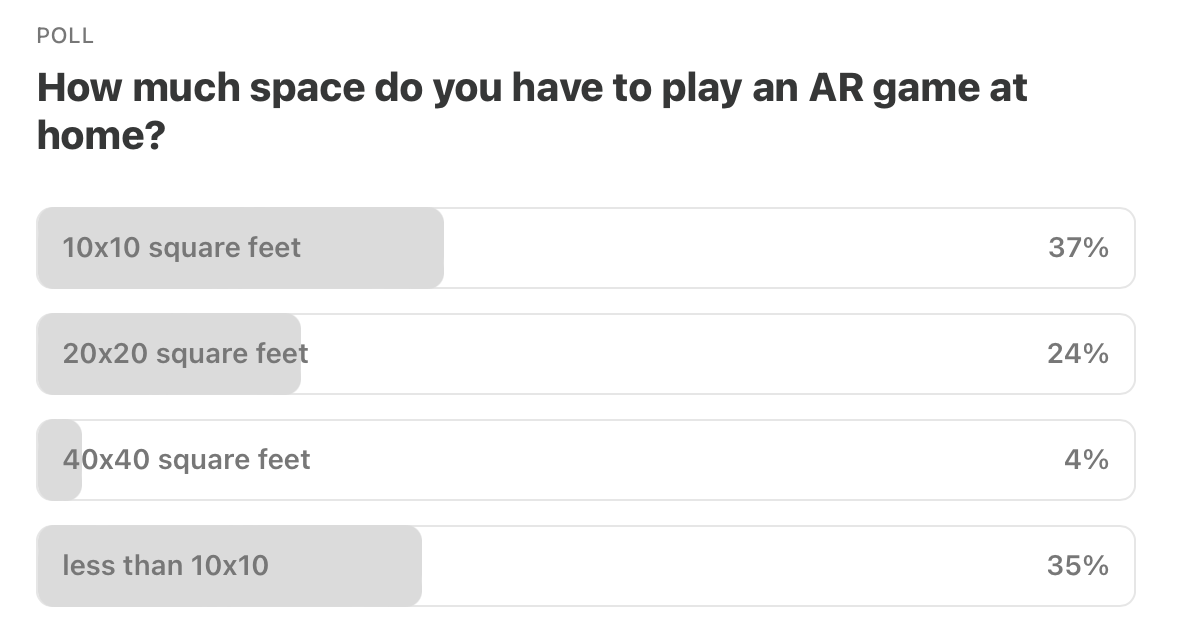
Most people are at 10x10 or less in free space. Indoor AR is effectively an inferior visual experience compared to VR with none of the benefits.
Indoor space is intimately tied with product distribution. People with smaller spaces are likely to be more self conscious about sharing gaming footage from inside their homes. So you end up with a paradigm where no one shares HMD AR content online.
Developers of consumer AR experiences can’t get funding and they also can’t get viral product distribution that would lead to funding.
AR needs attractive glasses designed for outdoors
Meta’s Smart Glasses have proven people are willing to wear attractive smartglasses that have cameras on them for extended periods of time in public.
What we’ve learned from Meta’s Smart Glasses is people are willing to wear computers in the form of glasses. They just need to look like regular glasses as much as possible.
The Orions don’t look like the Meta Smart Glasses yet. But they are very close.
The Apple Vision Pro weighs between 600 to 650 grams. The Quest 3 weighs 515 grams. Meta’s Orion smartglasses weigh 100 grams.
At 100 grams, you have something suitable for all-day wear.
Estimates are that the glasses cost between $10,000 to $20,000 to produce. So it’s currently too expensive for mass consumer. Production costs need to go down and they will over time.
Most importantly feasibility is solved. For a long time, AR developers have talked about a future where attractive AR glasses replace smartphones. But the actual glasses did not exist. The future has arrived.
What happens next?
Here’s what I predict happens next:
An even more aggressive onslaught by Apple on digital advertising to reduce Meta’s and Snap’s revenue
3rd Faction will form around Snap
Most 3rd party developers are not incentivized to have Apple win AR glasses war
Apple’s App Store monopoly and 30% app tax on smartphones would continue
Snap being the smallest of the the major AR glasses players is a more acceptable ally in terms of relative leverage
If you know someone interested in AR, I’d appreciate it if you shared this piece with them!
Have any questions or thoughts about AR glasses? Let me know.